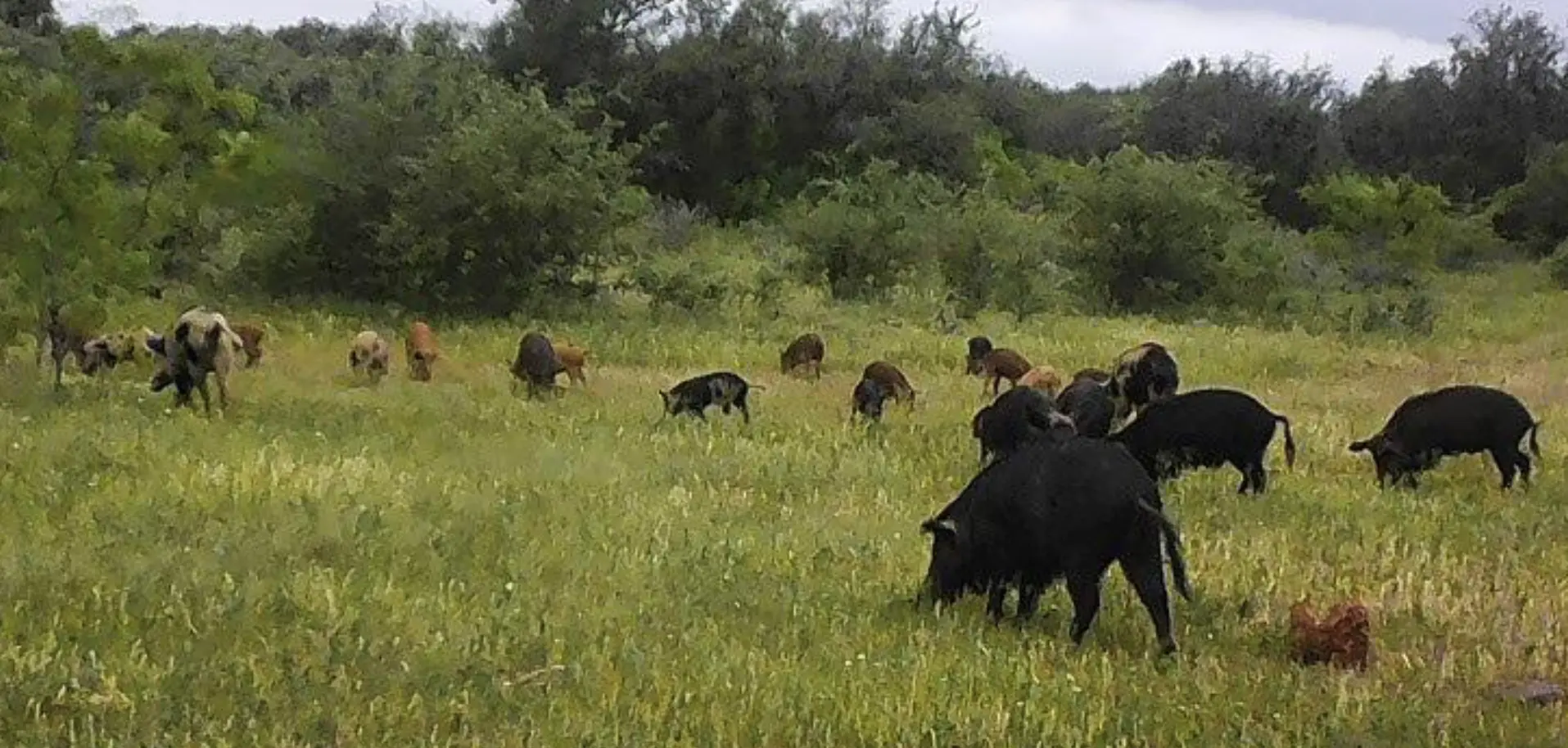
Most folks that read my column, listen to my radio shows or watch my outdoor adventures on A Sportsmans Life TV show probably know I absolutely love hunting wild hogs and enjoying the pork from the wild. The question I most often get is, “Luke, are those wild hogs really good eating?”. My answer is always, yes, some are and some are not followed by a question of my own. If you were at a livestock auction to purchase a hog to eat, what would you choose, a fat younger hog or an old, tough boar?” This is the best reply I’ve come up with and one that pretty well sums up eating pork, wild or domestic.
Old boars are definitely not the best eating; they can be downright rank. But what about younger boars? I’ve found young boars that have yet to reach puberty are just as good eating as sows.
I have become very selective when choosing a wild hog for meat. For standard cuts such as pork chops, ham steaks, sausage and shoulder cuts, a heavy feral sow without a litter of pigs is my top choice. A big sow weighing upwards of 150 pounds provides some of the best eating from the wild, I prefer the flavor over venison and I love venison. The meat is not only very flavorful but tender as well (for a wild hog}. As a general rule, wild porkers are not as tender as their domestic counterparts and for good reason, they have to stay on the move looking for food, rooting in the ground and getting plenty of exercise. Domestic hogs are kept in tight quarters and fed a diet of feed so they will grow quickly.
I live in an area with plenty of wild porkers and have a couple of farmer/rancher friends nearby that allow me to hunt on their property. Throughout the year, I kill a good number of these hogs, usually shooting them over corn feeders rather than run and gunning them out in open fields with and AR. I use a .223 bolt action CVA Cascade VH rifle and usually shoot them while they are feeding under a feeder. I do the lion’s share of my hog hunting at night with an ATN Thor mini 6 thermal scope, shots are usually inside 50 yards and at that range I am able to precisely place my shots, right behind the jaw in the middle of the neck. This shot anchors the hog in place and if it’s one I wish to put in the freezer, it does no damage to the prime cuts of meat.
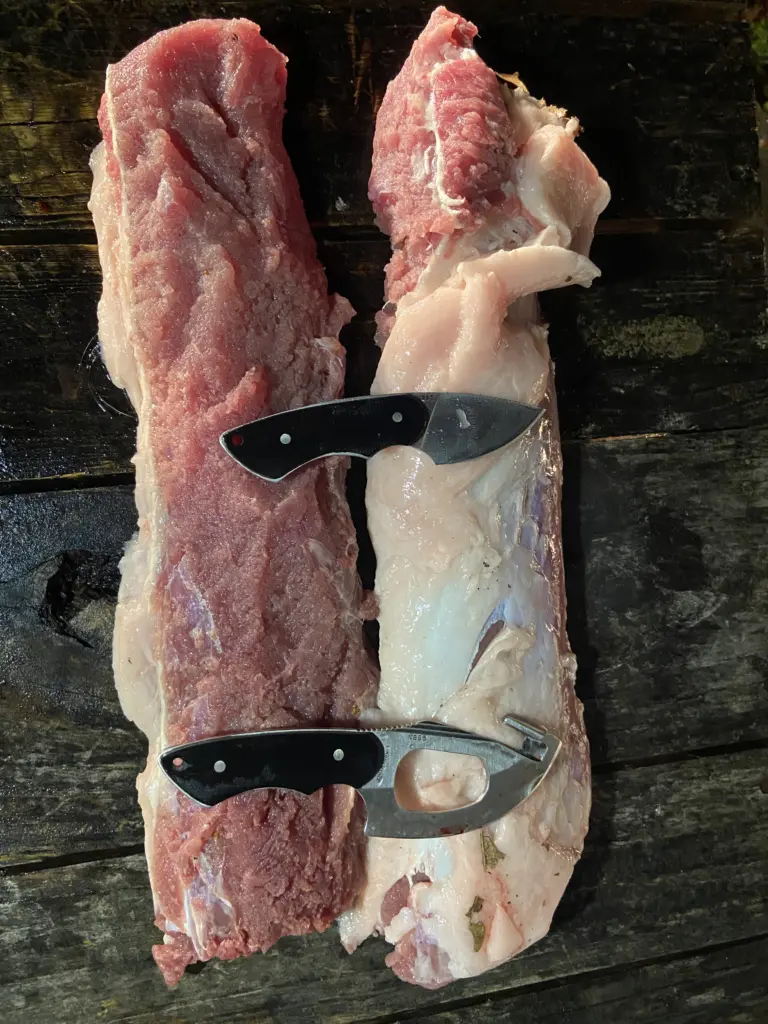
I obviously don’t eat every hog I kill, it’s those big boar that root up my friends hay fields and I target them whenever possible. Left in the woods, they are eaten in a couple days by coyotes and buzzards. I usually make a cut down the hogs back, which allows the predators to devour the carcass more quickly. But I have several friends that also enjoy the wild pork and when on one of my ‘pork procurement’ hunts, I am very picky about the hog I choose to shoot.
A couple night ago I went on one of these meat hunts and it was definitely no wilderness excursion. I have a corn feeder hanging from the limb of a big pecan tree about 20 yards across a treeline that is thick with cover. I have a ground blind near the feeder for deer hunting but decided to make things more comfortable for night hunting hogs. I chopped a hole through the brush in the tree line so that I could back my pickup to the fence and have good visibility under the feeder across the fence. I set a very comfortable padded office chair in the back of the truck, and this becomes my hunting stand. The hogs can’t see me at night and from my elevated position, I have very good visibility of hogs approaching though the woods to my feeder.
With a thermos of hot coffee, I’m quite comfortable while waiting for the hogs. If the weather is cold, I even carry an insulated blanket to knock off the wind. This style of hunting is very convenient, I have everything to make butchering easier including, plastic bags for the meat, lanterns, knives, water, etc. If I’m hunting in warm weather when mosquitoes are out, I fire up my Thermocell.
I turn 76 this week and think I have devised a method of hunting that will keep me in the woods a good while longer. Gone are the days when I could drag a hog several hundred yards out of the woods. I should have thought of this method of hunting years ago!
There really is no need to field dress wild hogs in the conventional manner. I simply remove the prime cuts, beginning with a long cut down the top of the back to remove the backstraps and then the four quarters. Sometimes I only take the two hams. I usually remove the quarters, hide on and finish the work of skinning and deboning back at home where there is good light. There is really very little meat on the ribs of wild hogs but if I target a smaller pig, say 60 pounds or less for cooking whole on the smoker, I will skin and leave the meat intact.
This past week, I was in the pork procurement mode and shot a very fat sow that weighed about 85 pounds. I removed the prime cuts in the field and back at home cleaned the meat up, seasoned it with garlic powder, salt and pepper and into my Smokin Tex in a big aluminum pan it went. I poured a bottle of Bullseye BBQ sauce over the meat and set the smoker at 200 degrees. The next morning I took a fork and made pulled pork from the meat. The BBQ will make plenty of very tasty pulled pork sandwiches for family and friends this week!
Unti our ‘visit’ next, week try to find time to get outdoors, the white bass run is underway on most creeks and rivers above our reservoirs and Cedar Creek guide Chris Webb is hammering crappie on a feeder creek on 2-inch soft plastic jigs set a foot under a floater. I have a trip planned with Chris this week. More on creek crappie catching next week!
Contact outdoors writer Luke Clayton through his website www.catfishradio.org. Catfish radio can be heard on KOXE 101.3 every Saturday at 9 am following Lone Star Trail Outdoors with Nathan Smith at 8 am. You can also listen to “Catfish Radio with Luke Clayton and Friends” just about everywhere podcasts are found.
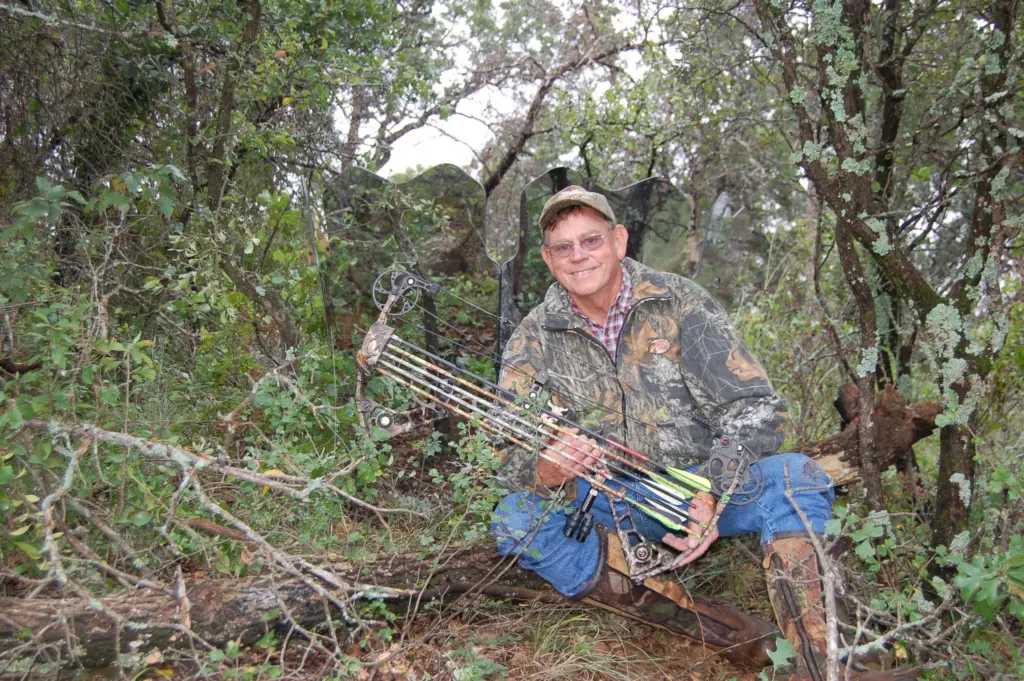
In addition to hosting a weekly radio and TV show, Luke writes regular features for a number of newspapers & outdoor magazines including Airgun Hobbyist where he is Hunting Editor, Fur Fish and Game magazine, North American Whitetail, Crossbow Magazine, North American Deer Hunter and North Amerian Outdoorsman.