Foodborne Illness: A Common but Preventable Health Threat
Every year, an estimated 48 million Americans fall ill from foodborne illnesses. Of those, around 128,000 are hospitalized, and 3,000 tragically lose their lives. These illnesses are often caused by consuming food or drinks contaminated with harmful bacteria, viruses, or toxins. The good news? Most foodborne illnesses are preventable with proper precautions.
What Causes Foodborne Illness?
Microbial Contamination
The most common culprits include bacteria like Salmonella, E. coli, Listeria, Campylobacter, and Clostridium perfringens. Viruses like Norovirus and Hepatitis A are also major contributors.
Toxins
Sometimes, it’s not the microbes themselves, but the toxins they produce that cause illness.
Cross-Contamination
When raw meat, poultry, or eggs come into contact with ready-to-eat foods or surfaces, harmful pathogens can spread.
Recognizing the Symptoms
Mild to Moderate Symptoms
Most cases involve nausea, vomiting, diarrhea, abdominal pain, and sometimes fever.
Severe Symptoms
Watch out for bloody diarrhea, fever over 102°F, vomiting that prevents fluid intake, or symptoms lasting more than three days. These may signal a serious infection requiring medical attention.
Who’s Most at Risk?
While anyone can get sick, young children, older adults, pregnant women, and those with weakened immune systems are more likely to suffer severe complications.
Prevention Tips: Clean, Separate, Cook, Chill
- Clean: Wash your hands and surfaces often, especially after handling raw meats.
- Separate: Avoid cross-contamination by keeping raw foods separate from others.
- Cook: Use a food thermometer to ensure foods reach a safe internal temperature.
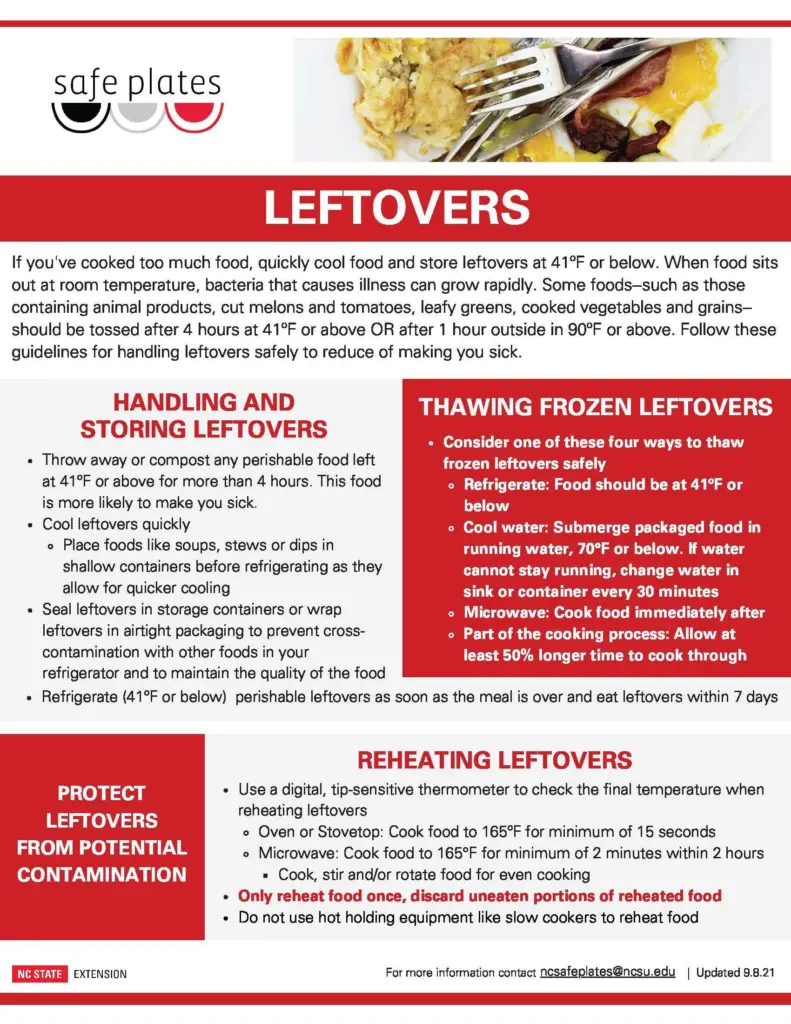
- Chill: Refrigerate perishables promptly to prevent bacteria from multiplying.
Food safety starts at home. By practicing these simple habits, you can protect yourself and your loved ones from foodborne illness. Stay informed, stay safe, and enjoy your meals with peace of mind!