The following content is Sponsored by Branson / Springfield Roof Co.
Did you know your roof could be one of the biggest money-saving upgrades in your entire home? In Springfield, MO, where the summers are hot and winters can be brutal, your choice of roofing material directly impacts your energy bills, home comfort, and carbon footprint.
Eco-friendly roofing isn’t just a buzzword anymore. It’s a wise, long-term investment that blends sustainability with serious savings. From heat-reflective materials to recyclable shingles, today’s roofing innovations go beyond durability; they help lower monthly costs while reducing environmental impact.
So, why settle for an outdated roof that wastes energy and drains your wallet? Whether you’re building new or planning a replacement, below are the top eco-conscious roofing options that deliver both performance and peace of mind right here in Springfield.
Cool Roofs
Cool roofs are designed with reflective materials that bounce sunlight away from your home instead of absorbing it. This unique ability helps maintain a cooler indoor temperature, especially during Springfield’s hot summer months. With reduced heat transfer, your air conditioner doesn’t have to work as hard, resulting in lower energy consumption.
Because cool roofs reduce heat absorption, they contribute to a lower urban heat island effect and are less likely to deteriorate from extreme temperatures. The materials used, such as special reflective shingles or coatings, are long-lasting and require minimal upkeep. That longevity means fewer replacements and less waste in local landfills.
You’ll notice real savings on your utility bills almost immediately after installation.
Metal Roofing
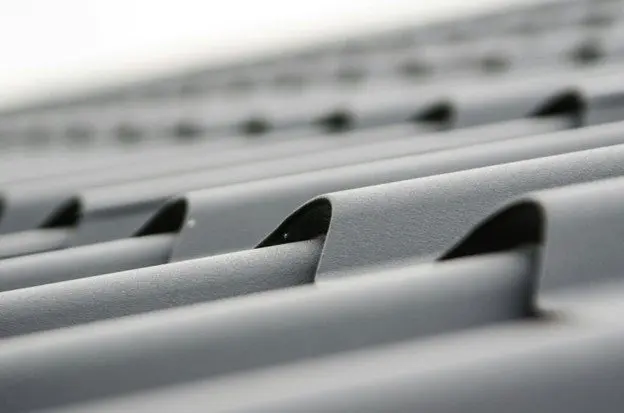
Metal roofing is a top contender for those who value strength, Style, and sustainability. These roofs reflect solar radiant heat instead of absorbing it, which can reduce cooling costs by 10–25%. Plus, they’re often made from recycled materials, and at the end of their life, they can be recycled again.
The eco-friendly appeal doesn’t stop at recyclability. Metal roofs can also be paired with solar panels or rainwater harvesting systems. They’re resistant to fire, wind, and pests, reducing the need for frequent repairs and saving you both time and money. Over the years, fewer repairs and replacements translate to more money in your pocket.
Recycled Shingles
Recycled shingles are crafted from repurposed materials like rubber, plastic, or wood fiber, giving new life to items that would otherwise end up in landfills. These shingles mimic the look of traditional materials such as slate or wood, but with a lighter environmental impact. They’re a perfect example of how innovation meets sustainability.
Because they’re made from resilient materials, recycled shingles tend to be highly durable and stand up well to Springfield’s seasonal storms, meaning fewer costly repairs.
This environmentally friendly roofing material is also relatively affordable and requires minimal maintenance. Their lifespan often matches or exceeds that of traditional asphalt shingles without the associated waste. So, you’ll save on replacements while supporting a more circular economy.
Clay Tiles
Clay tiles bring a classic charm to any home, but their benefits go beyond good looks. These tiles are made from natural materials and require less energy to manufacture than many other roofing materials. They’re also completely recyclable, making them a green choice from start to finish.
In terms of eco-friendliness, clay tiles are breathable and provide natural insulation. That means less reliance on your heating and cooling systems throughout the year. By naturally regulating indoor temperatures, they help you reduce energy consumption without compromising comfort.
Although installation costs can be on the higher side, clay tiles are extremely durable and fire-resistant, which leads to fewer repair costs. With a lifespan of up to 100 years, this roofing material saves you from multiple replacements.
Slate Roofing
Slate roofing is made from quarried stone and is one of the most durable options on the market. It’s a material that requires no chemical processing and is completely biodegradable at the end of its life. The minimal environmental impact makes it a strong contender among environmentally friendly roofing options.
Aside from being green, slate offers excellent insulation properties that help regulate your home’s temperature year-round. This natural energy efficiency translates into less strain on your HVAC system and lower monthly bills. It’s particularly useful in a climate like Springfield’s, where seasons can vary greatly.
Solar Shingles
Solar shingles combine the protection of traditional roofing with the power-generating benefits of solar panels. These sleek, integrated systems are less bulky than traditional solar panels and blend seamlessly with your roofline. For Springfield homeowners looking to cut energy costs, this is a modern and efficient solution.
By producing your own electricity, solar shingles reduce reliance on the grid and lower your carbon footprint. The renewable energy generated can offset most, if not all, of your home’s electricity use. Over time, the energy savings significantly outweigh the initial installation costs.
You may also be eligible for tax credits or local incentives when you choose this energy-efficient roof. While installation can be an investment, it pays for itself over time through reduced energy bills and government rebates.
Green Roofs
Green roofs, also known as living roofs, are covered with vegetation and soil to provide natural insulation. They absorb rainwater, reduce runoff, and promote biodiversity in urban settings. Beyond the environmental benefits, they turn your roof into a lush, usable space.
In terms of eco-friendliness, green roofs filter pollutants from the air and provide habitat for birds and pollinators. They’re especially effective in cities, where they help combat the urban heat island effect. Their ability to absorb and reflect heat keeps homes cooler during Springfield’s warmer months.
Although maintenance can be more involved than traditional roofs, the savings come in multiple forms. Green roofs extend the lifespan of the roofing membrane beneath them and reduce energy costs by naturally insulating your home. Plus, they add unique curb appeal that could boost property value.
Wood Shingles
Wood shingles and shakes bring a rustic, organic look to homes, especially those in more natural settings. They’re made from renewable resources like cedar and can be sustainably harvested when sourced responsibly. If treated and installed correctly, they provide an environmentally conscious roofing material.
Wood roofing is biodegradable and requires less energy to manufacture compared to synthetic alternatives. It also offers moderate insulation properties, keeping your home more comfortable in both summer and winter. Plus, with natural breathability, it prevents moisture buildup that can lead to costly repairs.
Proper maintenance is key, but when well-maintained, wood shingles can last for decades. They can be treated with fire retardants and preservatives to extend their life. That means fewer replacements and better value in the long run.
Rubber Roofing
Rubber roofing, often made from recycled tires, is gaining popularity for its affordability and durability. It’s a smart way to reuse materials that would otherwise clog up landfills, offering an eco-conscious solution for flat or low-slope roofs. The material is also UV-resistant and waterproof.
Environmentally, rubber roofing reduces waste and often includes white coatings that reflect sunlight. This minimizes heat absorption and lowers cooling costs during Springfield’s sweltering summer days. Its resilience also reduces the need for frequent replacements or repairs.
You’ll appreciate the low maintenance and installation costs, which help you save over time. Rubber roofs can last up to 50 years when properly maintained. That means less financial stress and fewer environmental concerns down the road.
Takeaway
Switching to an eco-friendly roofing system doesn’t just help the environment; it transforms how you live, save, and invest in your home. With Springfield, MO’s seasonal weather swings, choosing the right roofing options can keep your home comfortable while lowering utility bills.
Before you settle on a roofing material, contact a trusted eco-friendly roofing specialist today and start your journey toward a smarter, greener home. They can guide you through the options, offer energy-saving tips, and ensure your installation meets local codes and incentives.