This story was originally published last year in the 2024-25 Brown County Area Guide. Pick up a free copy at one of our partner locations & stay tuned for more information about the new Brown County Area Guide coming this spring. Photos courtesy of Brown County Historical Society.
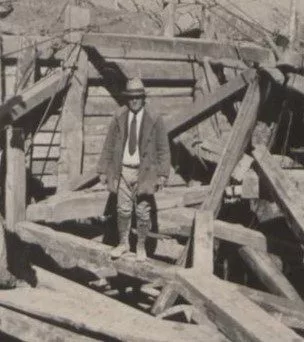
The flood of 1900 was literally the flood to end all floods in Brownwood, as it was the genesis of serious plans to build a dam on Pecan Bayou above the town. The City of Brownwood was devastated by this flood. The downtown district was underwater, and surrounding areas cut off from any communication with the outside world. An article in the September 24, 1900 edition of The Tennessean described the carnage. “Many bridges in Brownwood have been wrecked or injured. It is also feared many lives have been lost. The last information from Brownwood, sent out at about 10 AM, stated that the town was flooded and entirely submerged by water, and that people and goods were being removed to places of safety in boats and rafts.” A floodwater depth of 10 feet in town was reported, and up to 15 feet south of Brownwood. “Nothing can be heard from places up the line. The rain is pouring down and streams still rising. The country districts cannot be heard from.”
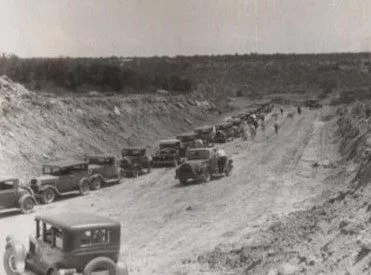
The flood was a major economic blow for Brownwood, although severe droughts were even more common and often as devastating, making a controlled yet reliable water source paramount. Debates raged between those upstream in Brownwood and downstream interests controlled by out-of-state entities claiming water rights along the Colorado River. The dam was projected to be built along Pecan Bayou, just a few miles north of the city, thus restricting some of the water flow into the Colorado. This battle for water rights, which affected many other small towns in West Texas along with Brownwood, was finally won by the towns concerned after a lengthy legal battle, and the path was cleared for the project to begin. Construction on the dam that would eventually form Lake Brownwood began in December 1929 under the direction of the Brown County Water Improvement District Number 1. A parcel of land consisting of 7,200 acres was acquired by the water district on which to construct the lake and dam.
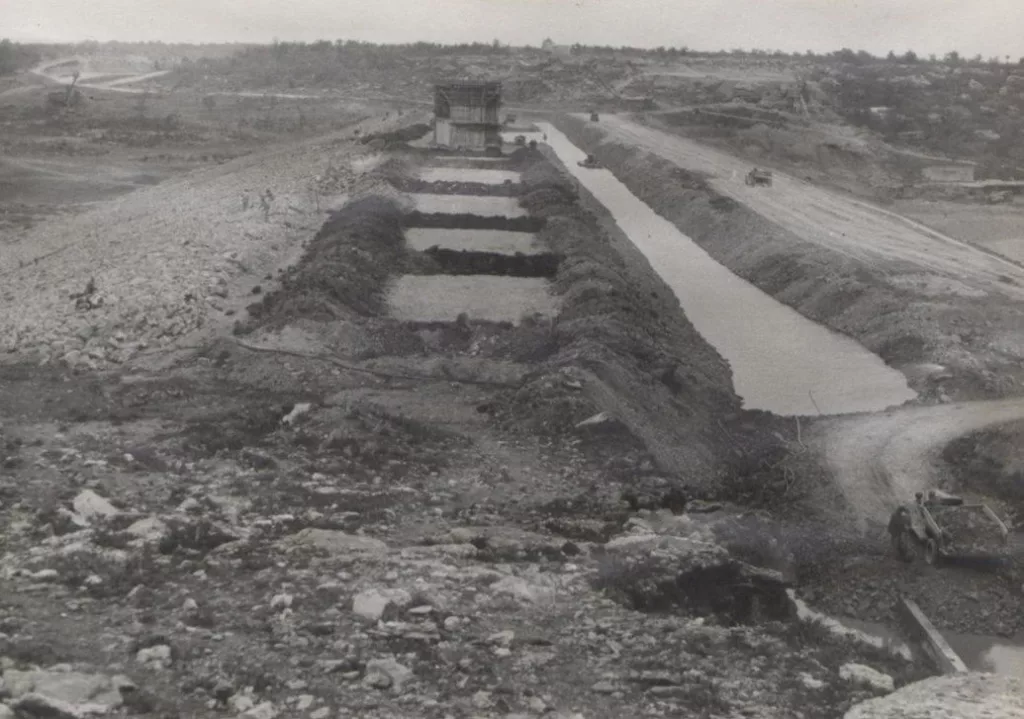
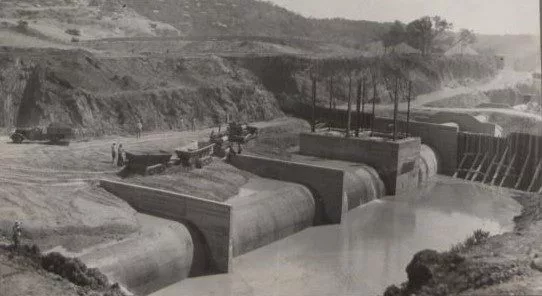
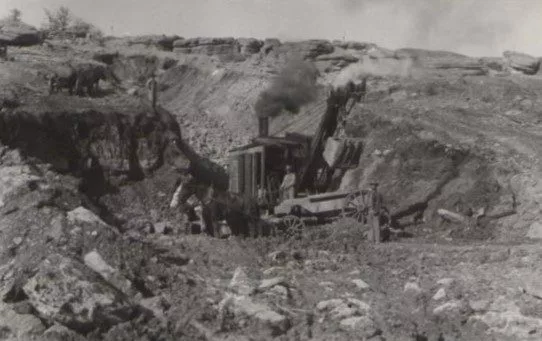
Engineers recommended a 1,600-foot long earthen dam 116 feet high above Pecan Bayou, and that advice was followed, meaning expensive and long term construction was needed. This ambitious and complicated project was paid for in part by bonds levied against property owners in the area. Dire predictions were made by those in opposition of the project, claiming that the lake would never fill and that the project would be a failure. Nevertheless, the work continued, as tons of dirt were scraped out and hauled away from the site. The dam at the lake was designed to hold 16,800 acre-feet of water for industry and municipalities, as well as 50,590 acre-feet for the purposes of irrigation. Much of the moving of dirt required for the lake was done by teams of mules dragging scrapers, while other work was carried out by machines.
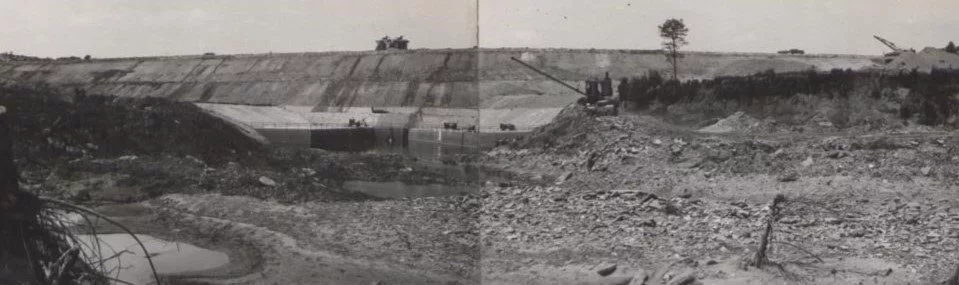
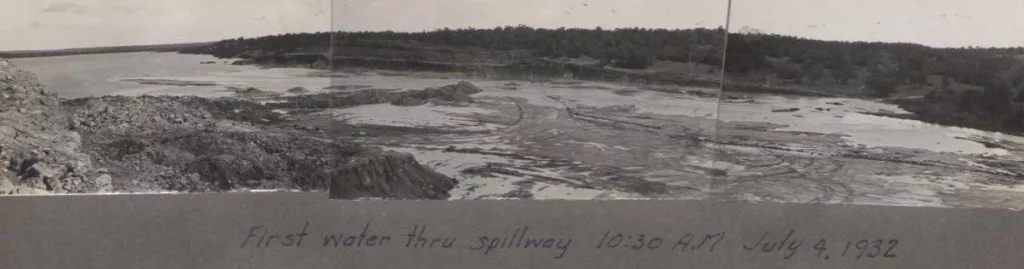
Lake Brownwood dam was completed in 1933. Shortly after the completion, a heavy rain fell in the area, entirely filling the watershed and solidifying the views of the dam project’s supporters that the idea was going to work. The town was now protected from all but the worst flooding rains and all but the most virulent droughts. In June 1936, the Brownwood Bulletin ran a story updating the public regarding the success of the undertaking. “With the building of the dam, Brownwood’s dream of a half century came true,” the article stated. “The value of the reservoir as a means of preventing the flooding of Pecan Bayou was fully demonstrated during the great flood of July 1932. The run-off following the rain, which fell the night of July 2, filled the reservoir to spillway level in 24 hours. Records kept on the flood by district engineers show this total run-off from the rain was 212,000 acre-feet, or nearly one and one-half times the average mean annual run-off: also that had the dam not existed there would have been a flood peak of 315,000 second feet, which would have flooded Brownwood and the entire Bayou valley.” Seven thousand acres were filled overnight. The dam was not yet completed, and a few houses were flooded as a result of the storm, but a potential area-wide catastrophe had been averted.
Shortly after the completion of the dam, in 1934, 538 acres of land surrounding the dam project was sold to the Texas State Parks Board for one dollar. Along with providing protection from flooding and drought, the dam project created one of the area’s few and thus precious water recreation opportunities, and it was designated as a Texas state park. The Civil Works Administration created many additions inside the park to enhance the lake as a place where people can camp, fish, engage in water sports and hike. The CWA, forerunner of President Roosevelt’s Civilian Conservation Work program, hired local workers as part of the Emergency Conservation Work program.
The first unit under the CWA arrived in 1934 and began construction on a number of projects during a year-long assignment. They, and subsequent workers under the Civilian Conservation Work program, built lakeside cabins with stone fireplaces using local materials. They also designed outdoor stairs and patios, fire pits, benches and picnic tables. A recreation hall built under the program still stands on a small hill in the park, and is often rented by private parties for celebrations and reunions. The Conservation Work Program hired more units in 1936, and began or completed most of the facilities in the park that are still in use today. Construction on the park amenities continued until 1942. At the end of the project, 17 cabins were completed, along with almost 100 additional structures. The stone materials used in the construction process add a rustic, charming feel to the whole park.
Lake Brownwood State Park is a lovely oasis amid the often dry and hot summers West Central Texas can dish out to residents and visitors alike. The dam project is one of the most successful in the County’s history, serving dual purposes that both contribute to the quality of life for residents and visitors in Brown County. Whether it’s fishing, boating or just getting away from it all with a stay in one of the private lakeside cabins, there’s something for every sort of vacationer at Lake Brownwood. The City of Brownwood is eight short miles away from the lake, and thanks to the dam, it’s safe from a repeat performance of a devastating flood similar to the flood of 1900.
This story was originally written by columnist Diane Adams and published last year in the 2024-25 Brown County Area Guide. Pick up a free copy at one of our partner locations & stay tuned for more information about the new Brown County Area Guide coming this spring.